
Blogs

Read expert insights on current affairs in healthcare!

Heatwaves Know No Borders – Should the European Union Harmonise the Legal Regulation of Air Conditioning Use?

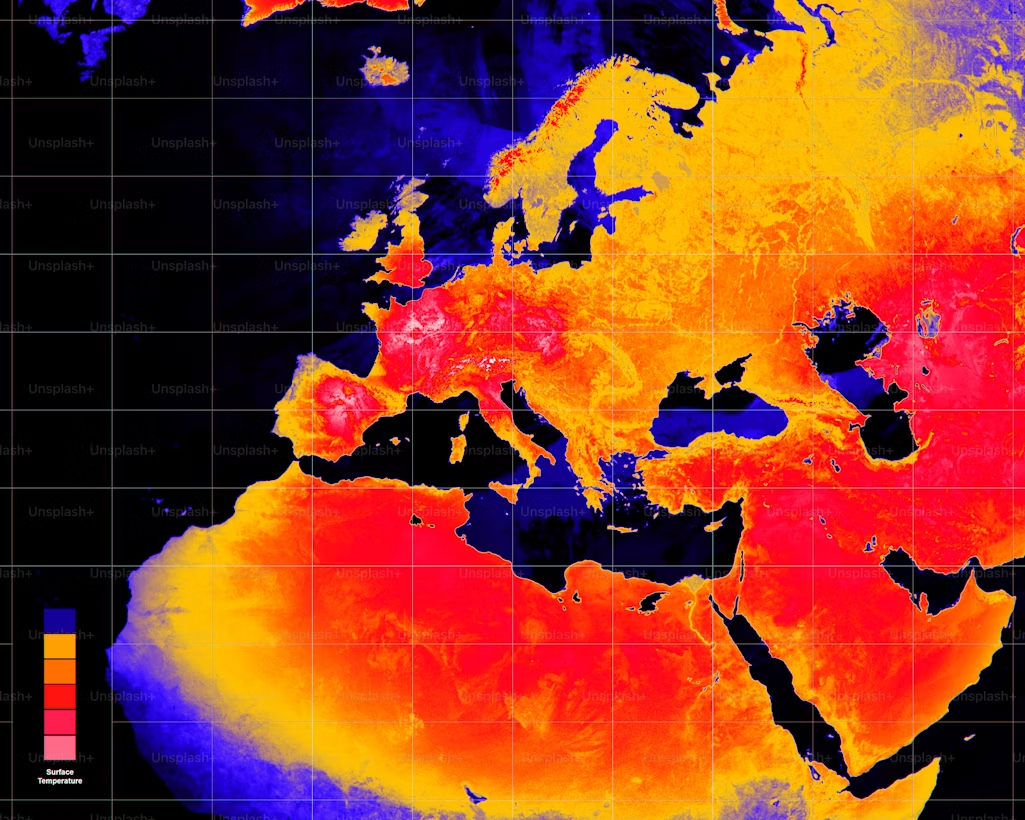
The summer of 2026 once again demonstrated that climate change is no longer solely an environmental or public health issue but is increasingly becoming a matter of legal and public policy. During one of the most intense heatwaves in recent decades, several thousand excess deaths were recorded across France, Belgium, and the Netherlands, further intensifying the debate on the preparedness of European countries to adapt to increasingly extreme climatic conditions. At the same time, air conditioning systems, once perceived primarily as a matter of comfort, are becoming an essential component of critical public health infrastructure. Their growing use, however, raises numerous legal questions. While some Member States encourage the installation of energy-efficient cooling systems, others restrict their use due to environmental concerns, electricity consumption, or the preservation of cultural heritage. Such regulatory fragmentation increasingly calls into question the achievement of the objectives of the European Union’s internal market and climate policy.

The traditional regulatory approach to air conditioning systems within the European Union has focused primarily on product energy efficiency, reducing greenhouse gas emissions, and establishing technical manufacturing standards. The reasons are evident. Cooling systems consume significant amounts of electricity, while certain refrigerants possess an exceptionally high global warming potential.
In recent years, however, the focus of European policy has gradually evolved. Climate change has resulted in longer and more intense heatwaves, meaning that air conditioning is no longer merely an issue of energy policy but also one of protecting life, public health, and safe working conditions. In its strategic policy documents, the European Commission has increasingly emphasised the need to improve the energy performance of buildings while simultaneously ensuring adequate indoor thermal comfort. In other words, the objective is no longer to reduce the use of air conditioning at all costs but to ensure its sustainable and efficient use.
Is There a Legal Basis for Harmonisation?

Despite the existence of common product rules, Member States continue to retain broad discretion in regulating the use of air conditioning systems. In some Member States, legislation establishes minimum or maximum indoor temperatures in public buildings, introduces specific rules for commercial premises, or issues recommendations aimed at limiting unnecessary energy consumption during the summer months. Some local authorities impose additional restrictions to protect historic city centres, while others subsidise the installation of high-efficiency cooling systems.
Such differences are not unusual in themselves. However, they become problematic when divergent national requirements complicate the activities of manufacturers, designers, and investors operating within the European Union’s internal market. From the perspective of European Union law, an important question therefore arises: can a regulatory model remain viable in the long term where technical product requirements are harmonised, while the rules governing their use remain almost entirely within the competence of the Member States?
At first glance, it may appear that the European Union lacks direct competence to regulate the use of air conditioning systems. Such a conclusion, however, would be overly simplistic. For decades, the European Union has exercised its competences in the fields of the internal market, environmental protection, and energy policy to harmonise the technical standards applicable to numerous products. In the field of air conditioning systems, this is reflected in legislation governing ecodesign requirements, energy labelling, and restrictions on the use of fluorinated greenhouse gases.
Should divergent national rules begin to constitute barriers to the free movement of goods or hinder the achievement of the objectives of the European Green Deal, it cannot be excluded that an additional level of minimum harmonisation may emerge in the future. Such harmonisation would not necessarily require a uniform cooling temperature across all Member States. Instead, it could establish common legal principles, leaving national legislators to develop more detailed rules in accordance with local climatic conditions.

Should the Law Recognise a “Right to Cooling”?

International policy and academic discussions increasingly suggest that access to safe cooling conditions should be regarded as a matter of public health, particularly for older persons, individuals with chronic illnesses, children, and workers exposed to high temperatures. Such an approach could lead to the development of a new regulatory concept under which certain facilities—including hospitals, nursing homes, schools, childcare institutions, and other establishments of particular public importance—would be required to ensure minimum standards of thermal protection during extreme weather events.
Under this approach, air conditioning would no longer be viewed solely as a technical appliance but rather as an instrument through which states fulfil their positive obligations to protect the life and health of their citizens. At the same time, this evolution of the law must be carefully balanced against the objectives of the energy transition. Increasing the number of cooling systems without improving their energy efficiency could lead to higher electricity consumption and place additional pressure on electricity grids.
For decades, the European Union has exercised its competences in the fields of the internal market, environmental protection, and energy policy to harmonise the technical standards applicable to products placed on the market, with air conditioning systems representing one example of such harmonisation. This harmonisation is reflected in ecodesign requirements establishing minimum standards of energy efficiency and technical performance for air conditioning units marketed within the European Union. At the same time, EU legislation restricts the use of fluorinated greenhouse gases in refrigeration and cooling systems while promoting the gradual transition towards refrigerants with a lower global warming potential, thereby advancing the objectives of climate neutrality and environmental protection.

What Could a European Model Look Like?

Rather than pursuing complete centralisation, a model based on minimum harmonisation appears considerably more realistic. Such a framework could include common minimum energy-efficiency standards, mandatory use of refrigerants with a low global warming potential, common guidelines for public buildings during heatwaves, minimum standards for the protection of vulnerable groups, and common eligibility criteria for financing energy-efficient cooling systems through European funds.
At the same time, Member States would retain the possibility of adopting stricter rules where justified by climatic, geographical, or urban planning considerations. Such a regulatory model already exists in numerous other areas of European Union law and successfully balances the functioning of the internal market with the principle of subsidiarity.

Conclusion

The European Union already possesses a well-developed legislative framework governing the manufacture, energy efficiency, and environmental impact of air conditioning systems. What remains missing, however, is a more systematic legal approach to their use in the context of public health and climate resilience.
Increasingly severe heatwaves demonstrate that air conditioning is no longer merely a technical or commercial issue. It has become a matter of protecting human life, ensuring safe working conditions, strengthening the resilience of healthcare systems, and enhancing the sustainability of European cities. Complete harmonisation of national rules is probably neither necessary nor politically feasible. Nevertheless, the development of common minimum European standards could represent a reasonable compromise between national regulatory autonomy and the need for a coordinated response to climate challenges that do not recognise national borders.
If the European Union has already succeeded in establishing common rules on product energy efficiency, environmental protection, and the functioning of the internal market, it is entirely conceivable that, in the years ahead, it may also develop common principles recognising sustainable cooling as an integral component of European climate adaptation policy, public health protection, and the safeguarding of fundamental societal interests.

Share Your Opinion, Publication, or other Engagement!

Share Your Opinion, Publication, or other Engagement!

OUR NEWSLETTER

© 2026 New Healthcare d.o.o. All Rights Reserved.