News

Stay ahead in global healthcare!

Changi General Hospital and the 4Ms Approach to Age-Friendly Healthcare

As populations around the world continue to age, healthcare systems are facing the growing challenge of meeting the complex and changing needs of older adults. Providing high-quality care for this population requires more than simply treating medical conditions; it also involves supporting independence, preserving dignity, maintaining mobility, and taking into account what matters most to each individual. Changi General Hospital (CGH) in Singapore is an example of a healthcare institution that has embraced this person-centred approach and incorporated it into everyday care for older patients.
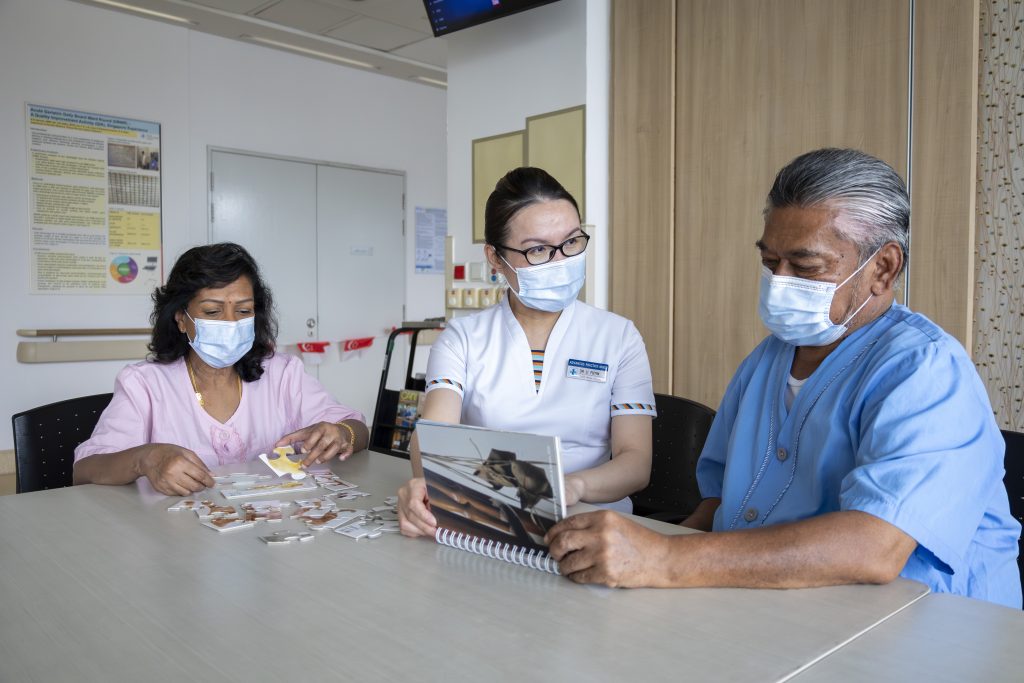
Changi General Hospital (CGH) is the first hospital in Singapore to be recognised as an Age-Friendly Health System – Committed to Care Excellence. This is the highest level of recognition within the Age-Friendly Health Systems movement, led by the US-based Institute for Healthcare Improvement (IHI) and The John A. Hartford Foundation. The recognition highlights CGH’s commitment to providing high-quality, evidence-based and person-centred care for older adults.
The recognition is awarded to healthcare organisations that consistently implement four evidence-based elements of care for older adults, known as the 4Ms: What Matters, Medication, Mentation and Mobility. Together, these four elements provide a framework for ensuring that care is not only medically appropriate but also aligned with the individual needs, preferences and goals of older patients. In its letter of recognition, IHI described CGH as “a leader in this rapidly growing movement committed to care of older adults”.

The 4Ms: A Person-Centred Approach to Care

At CGH, older patients are actively asked what matters most to them, allowing their individual goals and preferences to become an important part of the care plan. For some patients, this may mean prioritising comfort and quality of life, while for others it may involve maintaining their physical function or returning home as soon as possible. By focusing on what matters to each patient, the hospital aims to ensure that medical decisions are aligned with the person’s own values and priorities.
Medication management is another important component of the approach. Patients’ medications are regularly reviewed to identify and reduce the use of high-risk drugs that may provide limited benefit or cause unnecessary side effects. This helps healthcare professionals minimise potential harm while ensuring that each medication has a clear purpose and contributes positively to the patient’s health and wellbeing.
CGH also places strong emphasis on mentation, particularly the prevention and early detection of delirium. Older patients are screened for delirium every shift, allowing healthcare professionals to identify changes in mental status as early as possible. Families are also educated about the early signs of delirium, helping them become active partners in the patient’s care and enabling them to alert healthcare staff when they notice changes in behaviour or cognition.
Finally, mobility is treated as an essential part of recovery rather than something secondary to medical treatment. In the hospital wards, the traditional approach of prolonged “bed rest” has increasingly shifted towards an “out of bed” philosophy. When medically appropriate, patients are encouraged to get out of bed, participate in supervised walking and take part in structured activities designed to maintain their strength, balance and physical function.

Promoting Independence and Quality of Life in Older Adults

The approach implemented at Changi General Hospital demonstrates that age-friendly healthcare is not simply about treating illness, but about looking at the older person as a whole. By considering patients’ personal goals, medication use, mental wellbeing and physical abilities, healthcare professionals can provide care that is both clinically effective and meaningful to the individual.
This model can also help reduce the risks associated with hospitalisation among older adults, including loss of mobility, medication-related complications and delirium. Encouraging patients to remain active and involved in their own care can support recovery and help them maintain a greater level of independence.
The example of CGH demonstrates how healthcare systems can adapt to the needs of ageing populations while placing the individual patient at the centre of care. By putting the 4Ms – What Matters, Medication, Mentation and Mobility – into practice, Changi General Hospital has established an approach that prioritises not only survival and disease management, but also independence, dignity and quality of life. Its recognition as an Age-Friendly Health System – Committed to Care Excellence therefore represents an important example of how hospitals can respond to the growing needs of older adults and provide more compassionate, personalised and holistic care.

Share Your Opinion, Publication, or other Engagement!

Share Your Opinion, Publication, or other Engagement!

OUR NEWSLETTER

© 2026 New Healthcare d.o.o. All Rights Reserved.